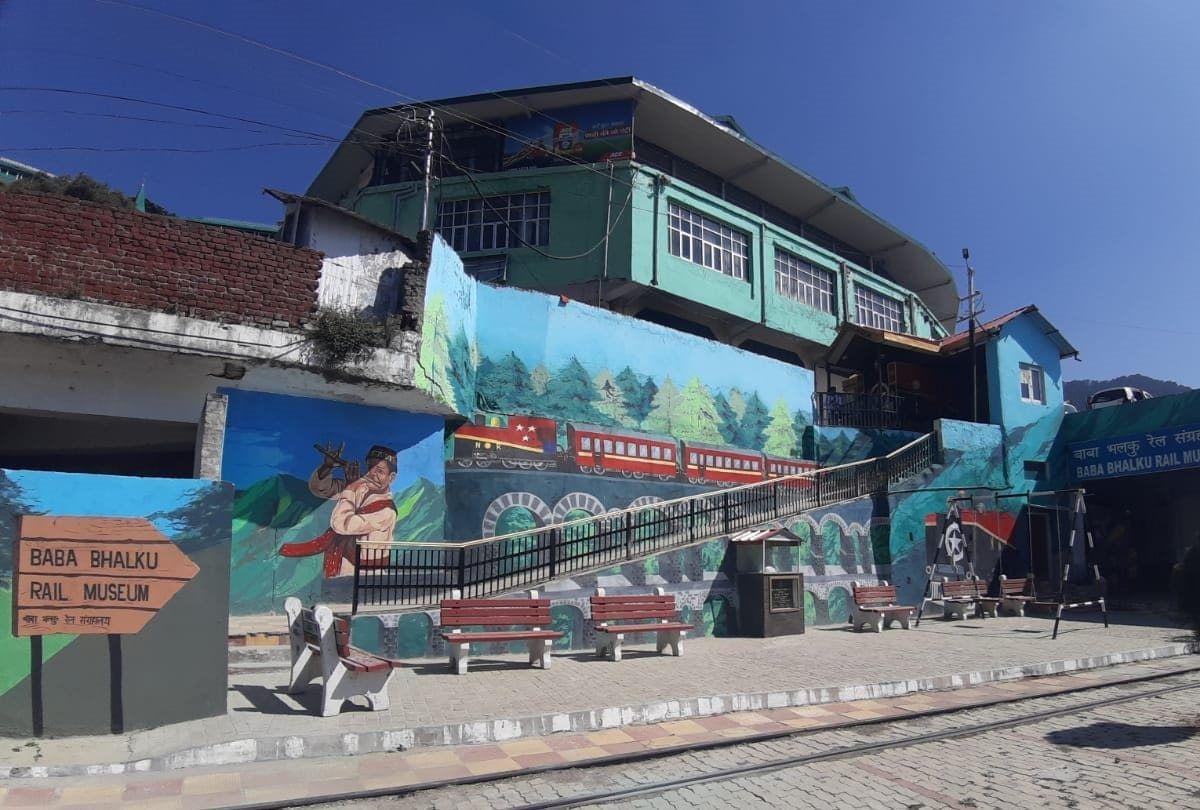
Baba Bhalku: The Man Who Mapped a Mountain
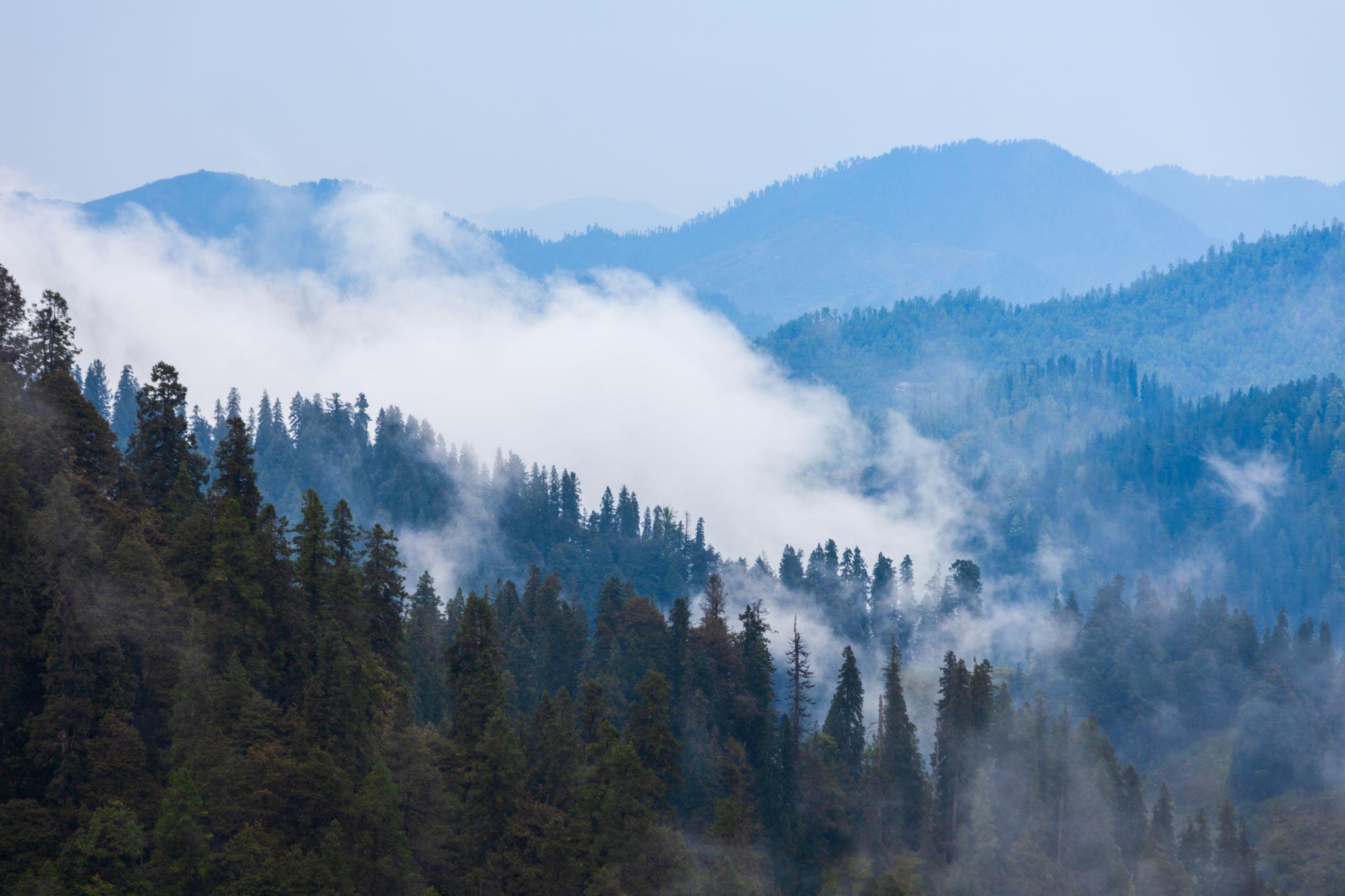
Himachal Pradesh, India.
In the high, whispering hills of Himachal Pradesh, where mist drapes itself across cedar forests and the mountains seem to breathe, there is a story that defies the tidy logic of engineering.
Some figures in history seem to exist just beyond the reach of certainty, half-remembered, half-believed, and yet impossible to ignore.
Baba Bhalku is one of them. A humble villager, a mystic, and, improbably, one of the guiding forces behind one of India’s greatest railway feats.
At the turn of the 20th century, the British set out to build the Kalka–Shimla Railway, a narrow-gauge line that would snake its way from the plains of Kalka to the hill station of Shimla (then spelt Simla), the summer capital of the Raj. The railway was completed in 1903, a triumph of engineering that still winds its way through more than 100 tunnels and across hundreds of bridges. Today, it is recognised as part of the UNESCO World Heritage network.
It was, by all accounts, an impossible undertaking. The terrain was treacherous. The gradients were unforgiving. Landslides were frequent, and the mountains themselves seemed to resist intrusion. Engineers, trained in the rational traditions of empire, struggled to find a viable route through the dense and shifting landscape.
And then, as the story goes, Bhalku appeared.
When I first came across his story, I wasn’t searching for mysticism. I was researching the building of the Kalka–Shimla Railway, its tunnels, its gradients, and its defiance of terrain. The kind of details that belong, quite comfortably, to engineers…To James Harrington.
But Bhalku did not belong to that world.
And yet, somehow, he shaped it.
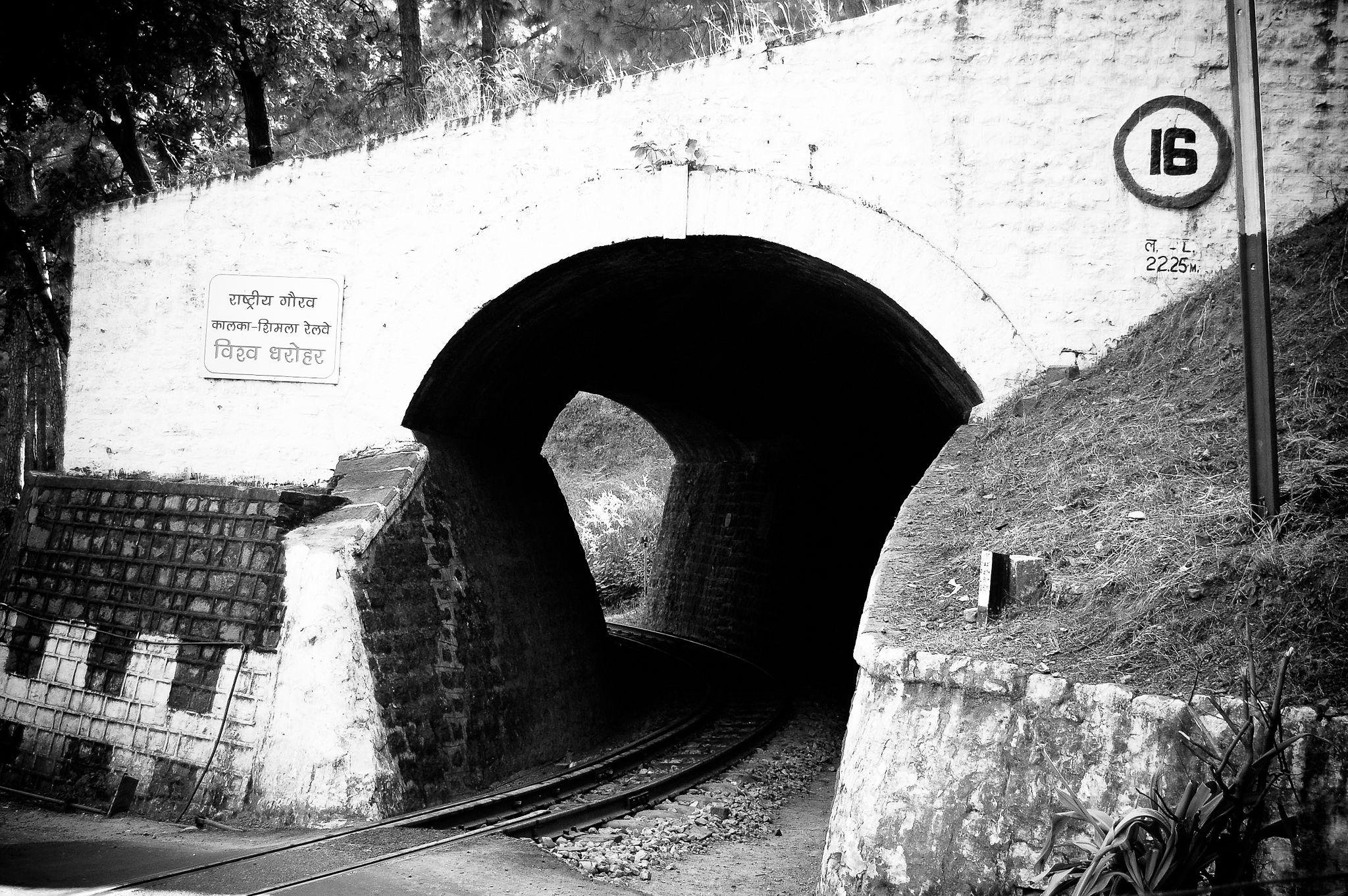
Kalka- Shimla Railway.
Today, it is recognised as part of the UNESCO World Heritage network.
Where Logic Falters
In my book, Of Iron and Incense, James arrives in India as a man of structure. He believes in measurements, in plans, in the certainty that the world can be understood if only one applies enough discipline to it.
The mountains quickly challenge that belief. The Himalayas are not easily subdued. Routes collapse. Calculations fail. What appears sound on paper dissolves in the face of shifting earth and monsoon rain.
Historically, this was the reality faced by those constructing the railway. And it is here that Baba Bhalku enters the story.
A Different Kind of Knowing
Bhalku was, by all conventional definitions, unqualified. He could not read engineering drawings. He carried no instruments. What he carried was faith.
He is said to have walked the hills guided by a divine voice, marking routes that others could not see. And yet, when those routes were followed, they worked, threading through terrain that had resisted more formal attempts.
This is the tension that fascinated me. Not simply that he succeeded, but that his way of understanding the world stood in such contrast to those around him.
In my book Bhalku becomes something more than a historical figure. He is a quiet counterpoint to James, a reminder that not everything can be mastered through control.
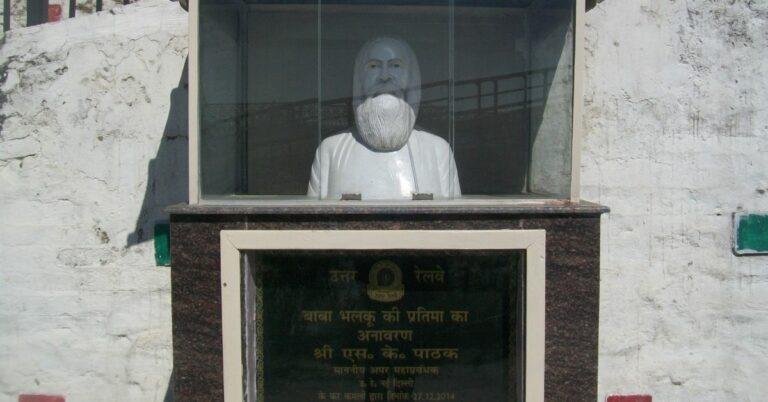
Baba Bhalku Museum
In Shimla today, a modest museum and a statue stand in Bhalku’s honour.
Margaret, Elysium, and the Space Between Worlds
If Bhalku unsettles James’s certainty, he speaks more deeply to Margaret. Her journey is not one of conquest, but of surrender, of learning to see India not as something to endure, but as something to understand.
At Elysium, removed from the rigid expectations of colonial life, that shift becomes possible. Bhalku’s presence, gentle, observant, rooted in something older than empire, helps create that space.
He does not instruct. He does not persuade. He simply is. In that stillness, others begin to change.
The Line That Remains
The railway was completed in 1903, and it still runs today, a narrow thread through the mountains.
It stands as a feat of engineering. But it is also, in its own quiet way, a record of collaboration between the measurable and the immeasurable, the spoken and the sensed.
Bhalku’s name is remembered in Shimla, in statue and museum. But his true legacy is less tangible. It lies in the idea that there are ways of knowing the world that do not announce themselves loudly.
That sometimes, the surest path forward is not the one most carefully drawn, but the one most deeply felt.
In writing Bhalku into Of Iron and Incense, I have not sought to explain him, but rather to honour the possibility that he existed as he is remembered, a man who listened when others could not. And who, in doing so, helped carve a path through the mountains.